Delphi Archaeological Museum: The Complete Visitor Guide
The Delphi Archaeological Museum is one of the most important museums in Greece, housing a remarkable collection of artefacts from the ancient sanctuary of Apollo. Located just steps from the archaeological site, it is an essential stop for anyone visiting Delphi. Whether you are a history enthusiast, an art lover, or a casual traveller, the museum offers a fascinating window into the ancient world that once considered Delphi the centre of the earth.
If you are planning a trip, our guide on things to do in Delphi covers all the highlights, including this museum. For accommodation close to the site, explore our apartments in Delphi at Komody Apartments.
History of the Museum
The museum was originally built in 1903 to house the growing number of finds from the French Archaeological School excavations that began in 1892. It was redesigned and expanded in 1958 and again in 1999, creating the modern facility visitors enjoy today. The collection spans from the Mycenaean period through to the Roman era, covering nearly two thousand years of history at the sanctuary.
The sanctuary of Delphi was the most important religious centre in the ancient Greek world. City-states and rulers from across the Mediterranean sent offerings, built treasuries, and consulted the famous Oracle. To learn more about the Oracle and its significance, read our detailed article on the Oracle of Delphi.
Must-See Exhibits
The Charioteer of Delphi
The undisputed star of the collection is the Charioteer, a bronze statue dating to 478 or 474 BC. Created to commemorate a victory in the Pythian Games chariot race, it is one of the best-preserved examples of ancient Greek bronze sculpture. The level of detail is extraordinary: the eyelashes are individually rendered, the lips are inlaid with copper, and the eyes are made of onyx and glass paste. The statue stands 1.8 metres tall and conveys a remarkable sense of calm dignity.
The Sphinx of Naxos
Standing on a tall Ionic column that once reached over 12 metres, the Sphinx of Naxos was a votive offering from the wealthy island of Naxos around 560 BC. The mythical creature, with the body of a lion, wings of an eagle, and head of a woman, served as a guardian of the sanctuary. The reconstructed column and sphinx together give a powerful impression of how imposing the original dedication must have been.
The Twin Statues of Kleobis and Biton
These Archaic kouroi from around 580 BC tell one of antiquity’s most touching stories. According to Herodotus, the two brothers pulled their mother’s cart to the temple of Hera when the oxen were late. The goddess rewarded them with eternal sleep, the greatest gift the gods could give. The statues, nearly two metres tall, showcase the powerful Archaic style with its characteristic smile.
Gold and Ivory Treasures
A climate-controlled room houses delicate gold and ivory fragments from chryselephantine statues, including pieces of a life-size statue of Apollo. The gold sheets, hammered with astonishing precision, demonstrate the extraordinary craftsmanship of ancient Greek goldsmiths.
The Treasury Metopes
Carved stone panels from the treasuries of Siphnos and Athens depict mythological scenes with remarkable narrative power. The Siphnian Treasury frieze shows the battle between gods and giants, while the Athenian metopes illustrate the labours of Heracles and Theseus.
Practical Information
The museum is open daily. From April to October, hours are typically 8:00 to 20:00. In winter (November to March), hours are reduced to 8:30 to 15:30, though this can vary. Always check the official site for current times, especially around holidays. For more seasonal planning advice, see our guide on the best time to visit Delphi.
A combined ticket covers both the museum and the archaeological site and is valid for the same day. Reduced rates apply for EU students, and entry is free on certain national holidays and the first Sunday of the month from November to March.
Tips for Your Visit
Start with the museum before heading to the archaeological site. Understanding the artefacts and their context will make the ruins come alive when you walk among them. Allow at least 90 minutes for the museum itself. The air-conditioned interior is a welcome break during summer, and the exhibits are well lit for photography (no flash).
If you are visiting with children, our family guide to Delphi has tips on keeping young visitors engaged throughout the day.
Where to Stay Near the Museum
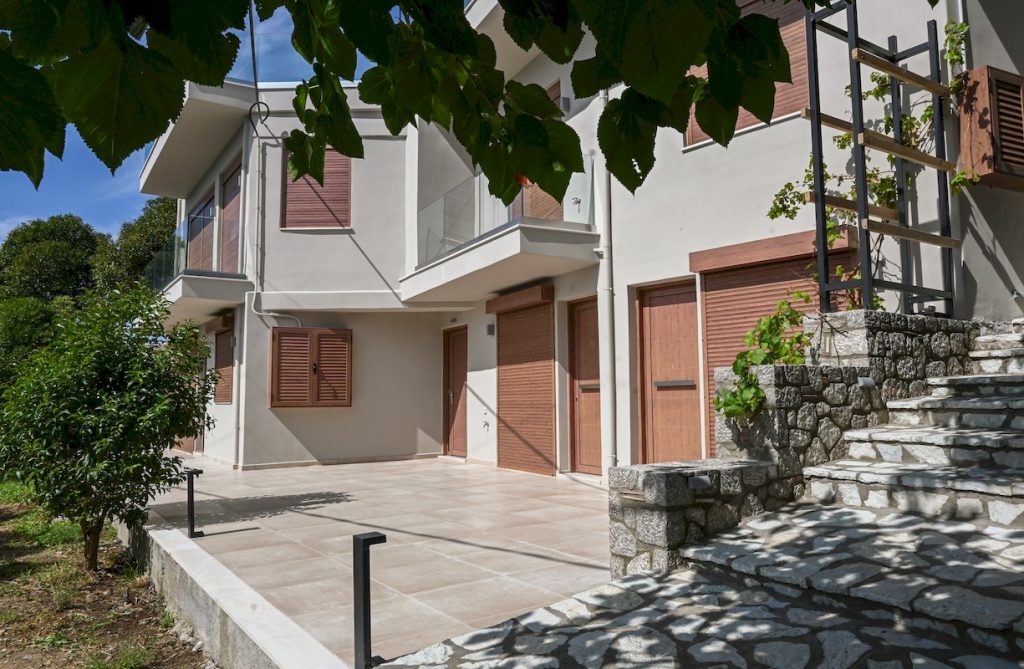
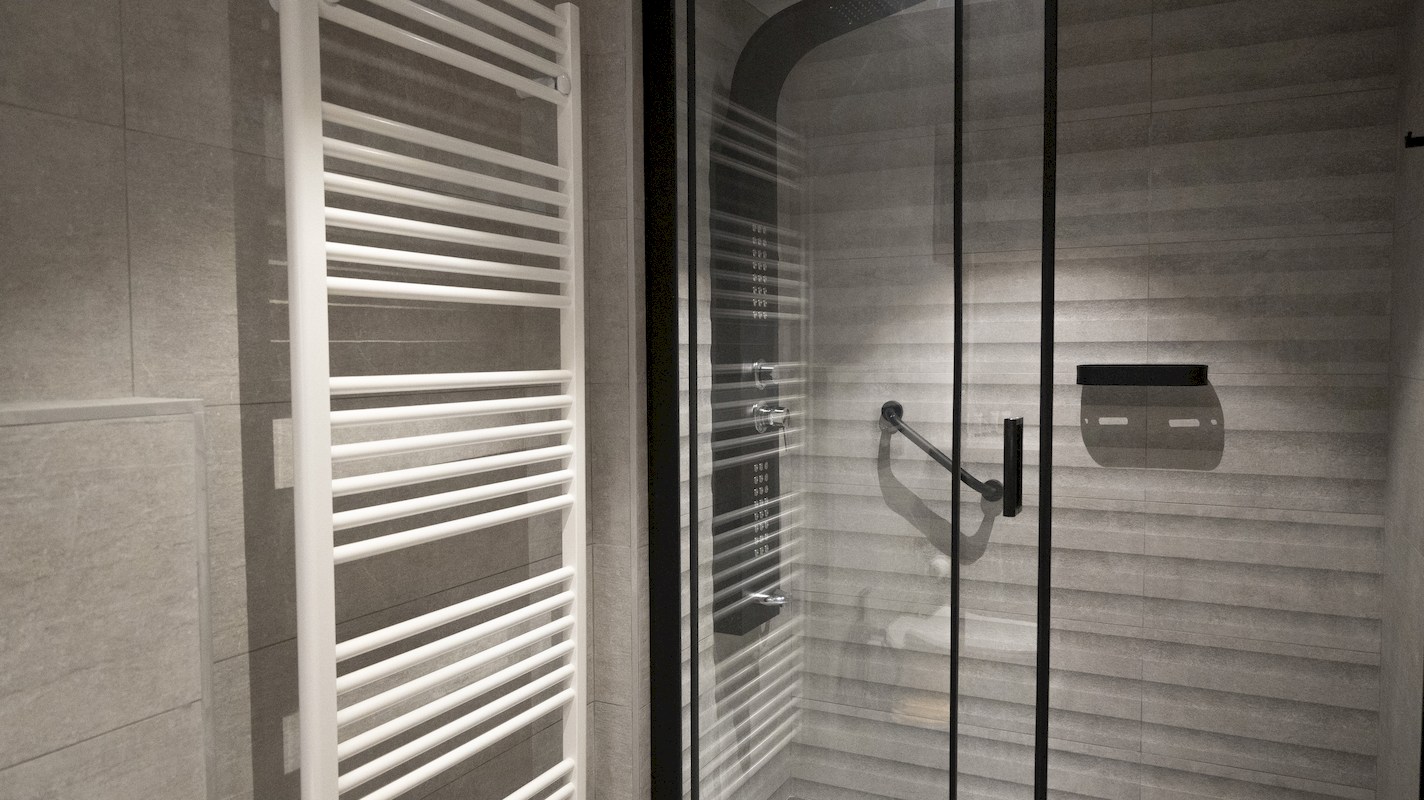
Komody Apartments is located in central Delphi, within walking distance of the museum and archaeological site. Choose from eight apartments and studios ranging from a cosy 25 m² studio to our spacious 58 m² family suite. Every room includes a fully equipped kitchen, Smart TV, free Wi-Fi, and complimentary breakfast. Check our photo gallery or contact us to book directly.
For more on what makes Delphi a must-visit destination, read where to stay in Delphi and explore our full travel blog.
Plan Your Stay in Delphi
8 unique apartments, each with mountain or sea views, free breakfast, and fully equipped kitchens.
Related Posts