Photography Guide to Delphi: Best Spots and Timing Tips
Delphi is one of the most photogenic archaeological sites in the world. The combination of ancient stone ruins, towering Phaedriades cliffs, sweeping views over the olive valley to the Corinthian Gulf, and the ever-changing mountain light creates conditions that photographers dream of. Whether you are shooting with a professional camera or a smartphone, knowing where to stand and when to shoot will transform your Delphi photos from tourist snapshots into images that capture the true spirit of this extraordinary place.
For a full visitor overview, start with our guide on things to do in Delphi. And stay close to the action at Komody Apartments, right in the heart of Delphi.
Golden Hour at the Ruins
The single best photography decision you can make in Delphi is to be at the archaeological site at opening time. In summer, this means arriving by 8:00. The low morning light rakes across the stone surfaces, bringing out textures and details that are flattened by the harsh midday sun. The Temple of Apollo, the Treasury of the Athenians, and the Theatre all face generally south or southeast, making them beautifully lit in the morning.
Evening golden hour is equally spectacular but requires a different vantage point, as the site closes before sunset in most seasons. The best sunset photography is from the road above the site or from the Delphi town viewpoints, where you can capture the ruins below with the Corinthian Gulf blazing orange in the background. For seasonal timing details, see our best time to visit Delphi guide.
Best Photo Locations
The Tholos at Athena Pronaia
The circular temple of Athena Pronaia, known as the Tholos, is arguably the most recognisable image of Delphi. Three of its original twenty Doric columns have been re-erected, creating a composition that is iconic in its simplicity. The best angle is from slightly above and to the east, where you can include the olive valley in the background. Morning light is ideal here.
The Theatre
The ancient theatre, which seats 5,000, is one of the highest points in the main sanctuary. From the top rows, you get a sweeping view that includes the Temple of Apollo below, the valley of olive trees, and the Gulf. This is the shot that defines Delphi: ancient architecture framed by the immense Greek landscape. Use a wide-angle lens to capture the full panorama.
The Stadium
At the very top of the archaeological site, the ancient stadium where the Pythian Games were held sits among pine trees at around 600 metres altitude. The combination of the stone seating, the running track, and the mountain backdrop creates powerful images. Few visitors make the climb, so you often have the space to yourself.
The Phaedriades Cliffs
The twin cliffs that tower above the sanctuary are best photographed from the lower parts of the site or from the road between Delphi and Arachova. In certain light conditions, the rock turns from grey to gold to deep orange. After rain, waterfalls cascade down the cliff face, adding drama to the scene.
The Olive Valley
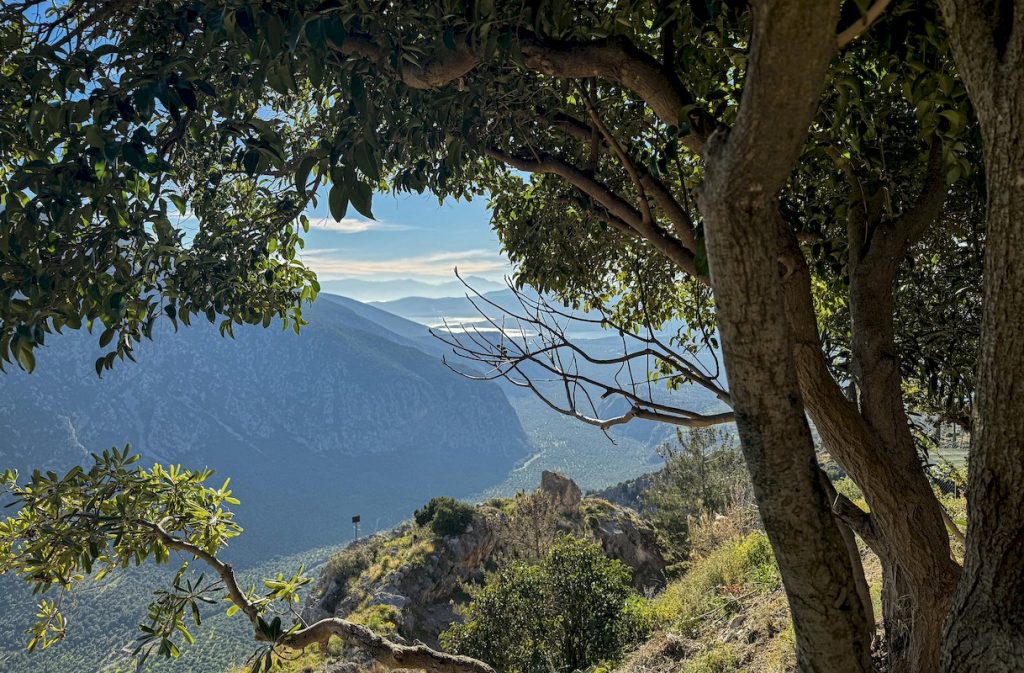
The vast sea of olive trees that stretches from below Delphi to the coast is best captured from elevated viewpoints along the main road. In late afternoon, the trees catch the light in waves of silver and green. The view from a sea view apartment at Komody Apartments captures this landscape perfectly.
Seasonal Photography
Spring (March-May): Wildflowers among the ruins, blossoming Judas trees (purple against the stone), green hillsides. The light is soft and the air is clear.
Summer (June-August): Dramatic blue skies and harsh light. Shoot early morning or late afternoon only. The dry golden grass creates warm tones. Read our seasonal guide for more.
Autumn (September-November): Warm colours, softer light, occasional dramatic clouds. The olive harvest brings activity to the valley. Possibly the best overall season for photography.
Winter (December-February): Snow on the ruins is rare but unforgettable. Low sun angles create long shadows and rich textures. Mist and clouds add atmosphere. Fewer visitors mean cleaner compositions.
Technical Tips
Bring a wide-angle lens (16-35mm equivalent) for landscapes and architecture. A telephoto (70-200mm) is useful for isolating details like column capitals, inscriptions, and wildflowers growing among the stones. A polarizing filter will deepen the sky and reduce reflections on stone surfaces. For smartphone users, shoot in HDR mode to handle the high contrast between bright sky and shadow areas.
Tripods are technically allowed at the site but can obstruct other visitors. A monopod or steady hand technique is more practical. The museum allows photography without flash.
Beyond the Ruins
Some of the best Delphi photography happens outside the archaeological site. The streets of the modern town, the road to Arachova, the drive down to Galaxidi, and the mountain views from our apartments all offer excellent subjects. For families travelling with children, our family guide suggests locations that combine photo opportunities with activities for young ones.
Base Yourself at Komody Apartments
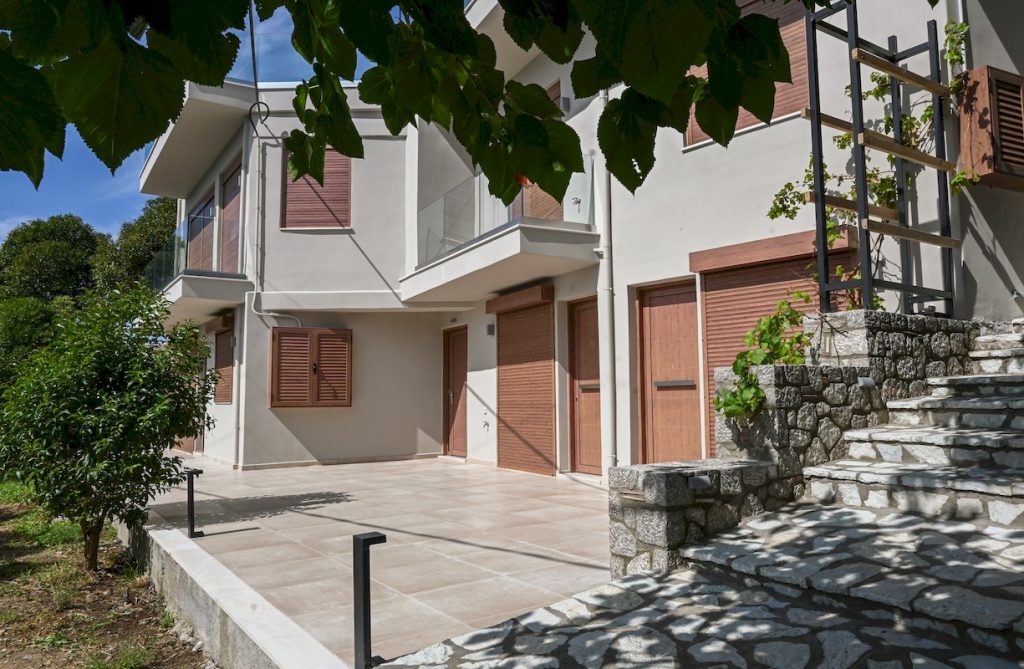
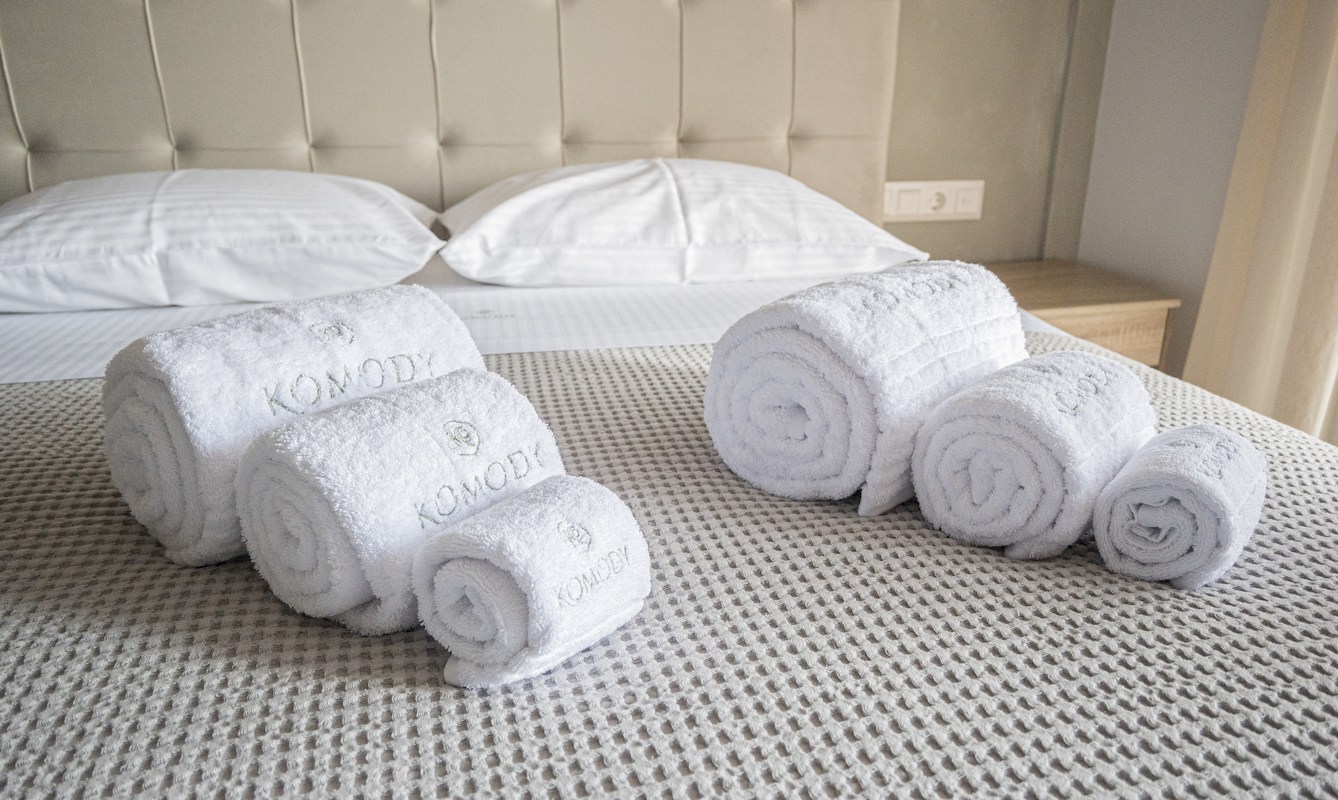
For photographers, location is everything. Komody Apartments puts you minutes from the archaeological site, so you can catch the early light without a long drive. Our mountain view studio and sea view apartment offer views worth photographing without even leaving your room. Browse all our apartments, check the gallery, and book your stay.
Visit our travel blog for more guides to making the most of your Delphi visit.
Plan Your Stay in Delphi
8 unique apartments, each with mountain or sea views, free breakfast, and fully equipped kitchens.
Related Posts